
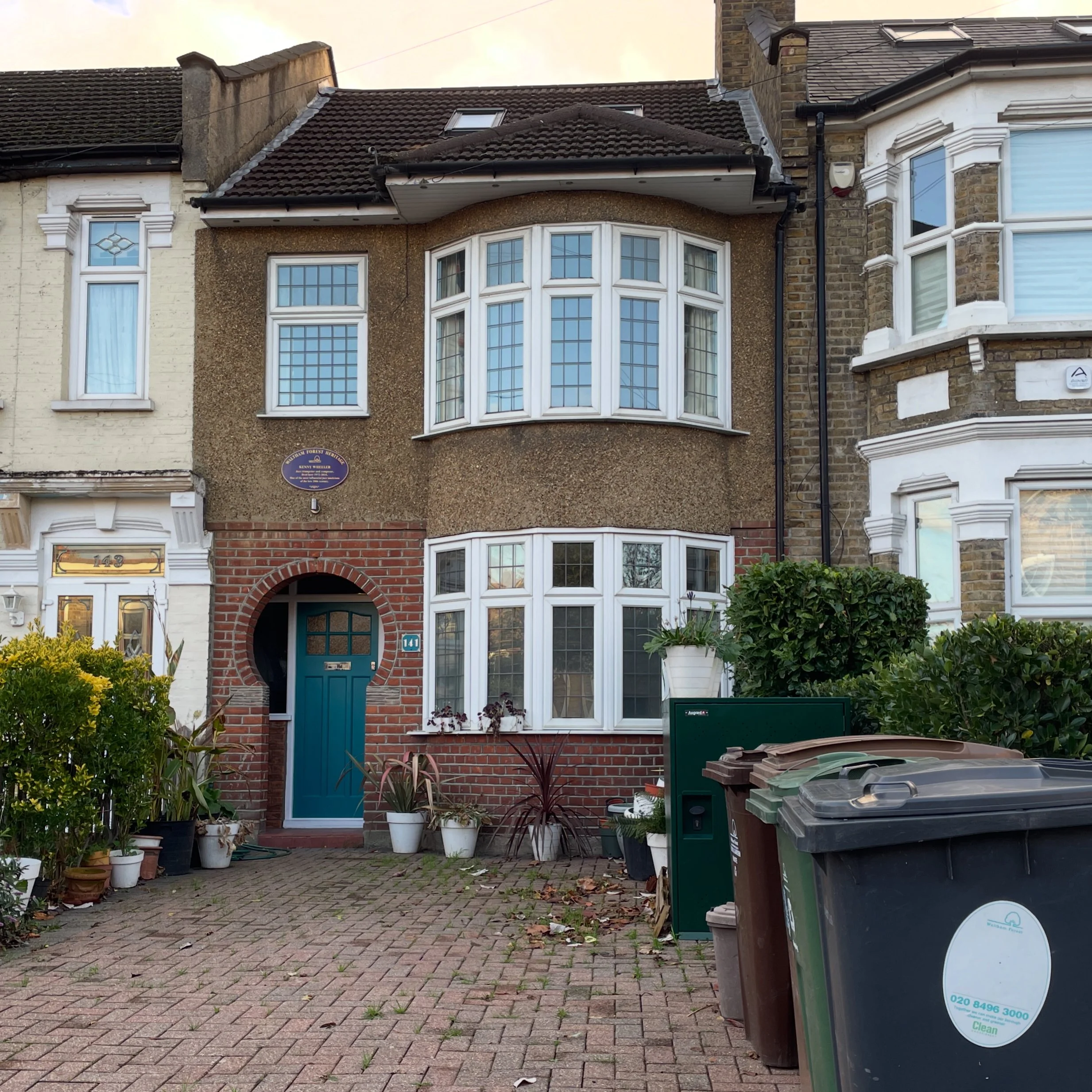
My Street
A screen-free photography and storytelling project about people, place and everyday life
What stories live just outside our front door?
My Street invites teenagers to slow down, step outside and see their local neighbourhood with fresh eyes. Through analogue portrait and observational photography, participants explore the character, details and rhythms of the street around them, the people they pass, the overlooked corners, the signs of community and the quiet stories woven into everyday life.
Using film cameras rather than phones or digital devices, young people are encouraged to look more carefully, think more intentionally and engage more meaningfully with the world around them. The result is a creative, thoughtful and confidence-building experience that combines photography, storytelling, observation and human connection.
The project develops visual literacy, communication skills and social awareness, while removing the pressure of screens and instant results.

13 to 18 years old

1 hour. 3 sessions
Weekends
Storytelling
-
Portrait
-
Documentary Photography
-
Storytelling - Portrait - Documentary Photography -
Curiosity Starts Outside
My Street is about discovering that meaningful stories do not always happen far away. Often, they are already close by, in familiar roads, shopfronts, pavements, neighbours, passing moments and the small details most people no longer notice.
This project encourages teenagers to observe their local environment with curiosity and care, using analogue photography as a way to document what they see and how they feel about it. Along the way, they begin to recognise that streets are not just places we move through, they are places where identity, memory, routine, culture and connection all quietly exist.
This makes the project both creative and personal. It is not simply about taking photographs. It is about learning how to notice, interpret and tell real stories from everyday life.
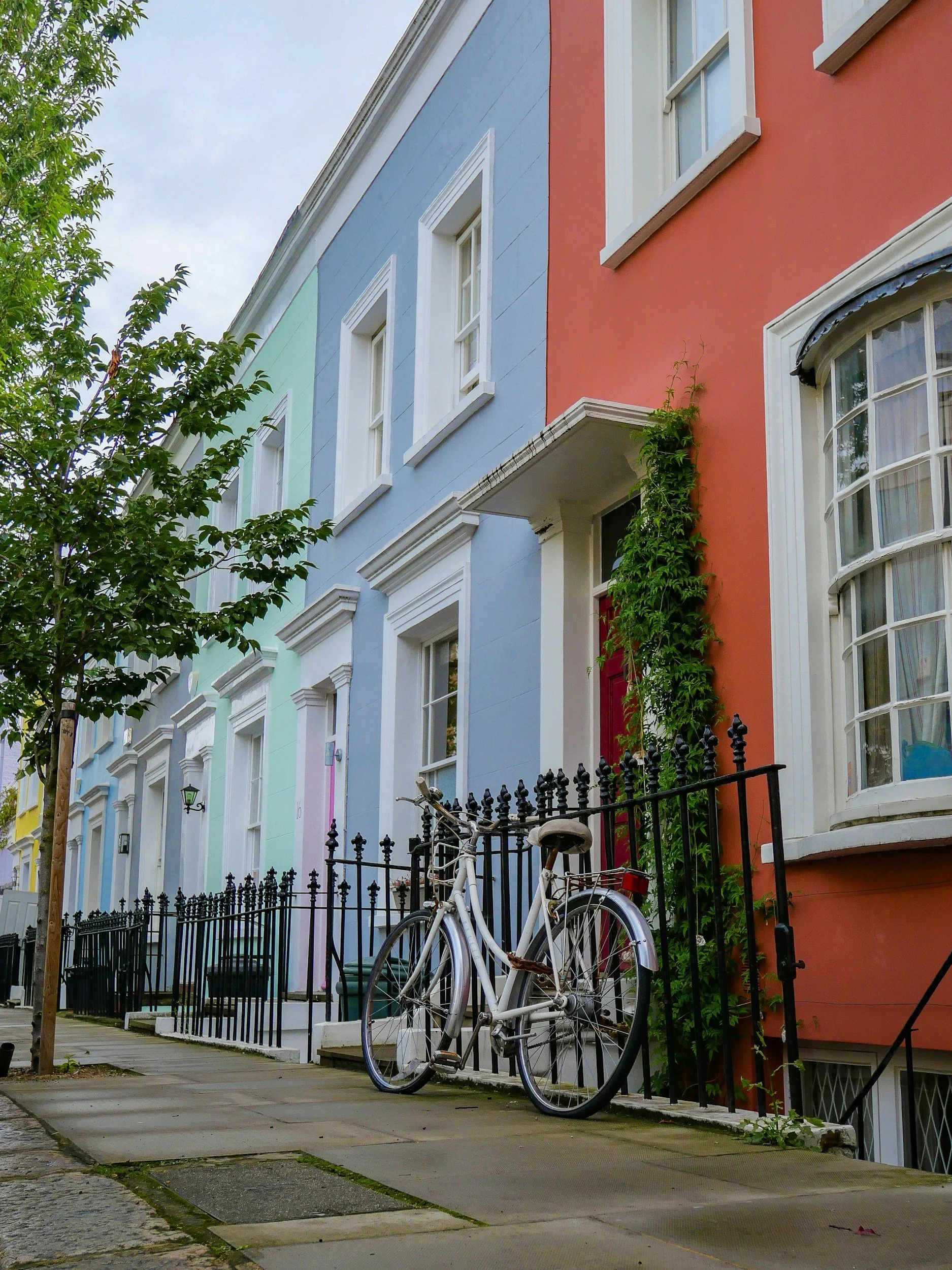
Real Streets. Real Stories.
In a world of fast scrolling, instant images and constant digital noise, My Street offers something refreshingly different.
It invites young people to slow down and engage with the real world, face to face, street by street, frame by frame.
Analogue photography changes the pace completely. There is no instant preview, no deleting, no endless retakes. Each image asks for thought, care and attention. This naturally encourages patience, decision-making and a stronger connection to the creative process.
For many young people, this can feel freeing. It takes away the pressure to be perfect online and instead opens up space for genuine curiosity, experimentation and expression.
-
Encourages patience and intention
Removes instant judgement
Makes each photograph feel valuable
Slows down social interaction
Builds confidence through process
-
Analogue camera use
Framing and composition
Portraiture with consent
Observational photography
Editing and sequencing
Storytelling through images
-
Develop awareness of their local community
Build confidence speaking to others
Learn respect, consent and empathy
Create a tangible photographic outcome
See their street as a shared space
-
Parental consent for street photography
Clear rules around privacy and boundaries
No names or addresses without permission
Adult supervision at all times
aims & benefits
Creative
Develop analogue photography skills.
Build confidence in observation and framing. Explore texture, light, form and scale.
Introduction to analogue portrait and documentary photography.
Understanding of how images can tell a story.
Environmental
Increase awareness of local streets and neighbourhood spaces.
Understand how streets shape community life, safety, identity, and well-being.
Encourage pride, care, and a sense of stewardship for the places we share every day.
Well-being
Promote calm, focused outdoor exploration.
Encourage connection to the local neighbourhood and everyday surroundings.
Support mental well-being through mindful observation and real-world human connection.
Analogue camera.
Film or Polaroid.
Tripod.
LED Lighting.
Backgrounds (optional).
Sketchbook.

materials
Provided by the artist

ESTIMATED COST
from £350 for 3 sessions.
Get started today
About the Project Leader
David
Artist, Photographer & Arts Educator
David is an artist, photographer and senior arts educator with over 25 years of professional creative practice and extensive experience in higher education.
He is a faculty member in the Cultural and Creative Industries Department at Barking & Dagenham College and Programme Leader at the University of East London, School of Arts and Digital Industries. David holds a BA (Hons) in Photography and a Certificate in Education and has been teaching Photography, Art and Design since 2008.
Alongside his academic career, David has worked as an art photographer and publisher since 1997, bringing real-world creative industry insight into his teaching. He is fully Enhanced DBS certified and known for his calm, thoughtful approach to nurturing creativity, critical thinking and visual literacy in young people.