
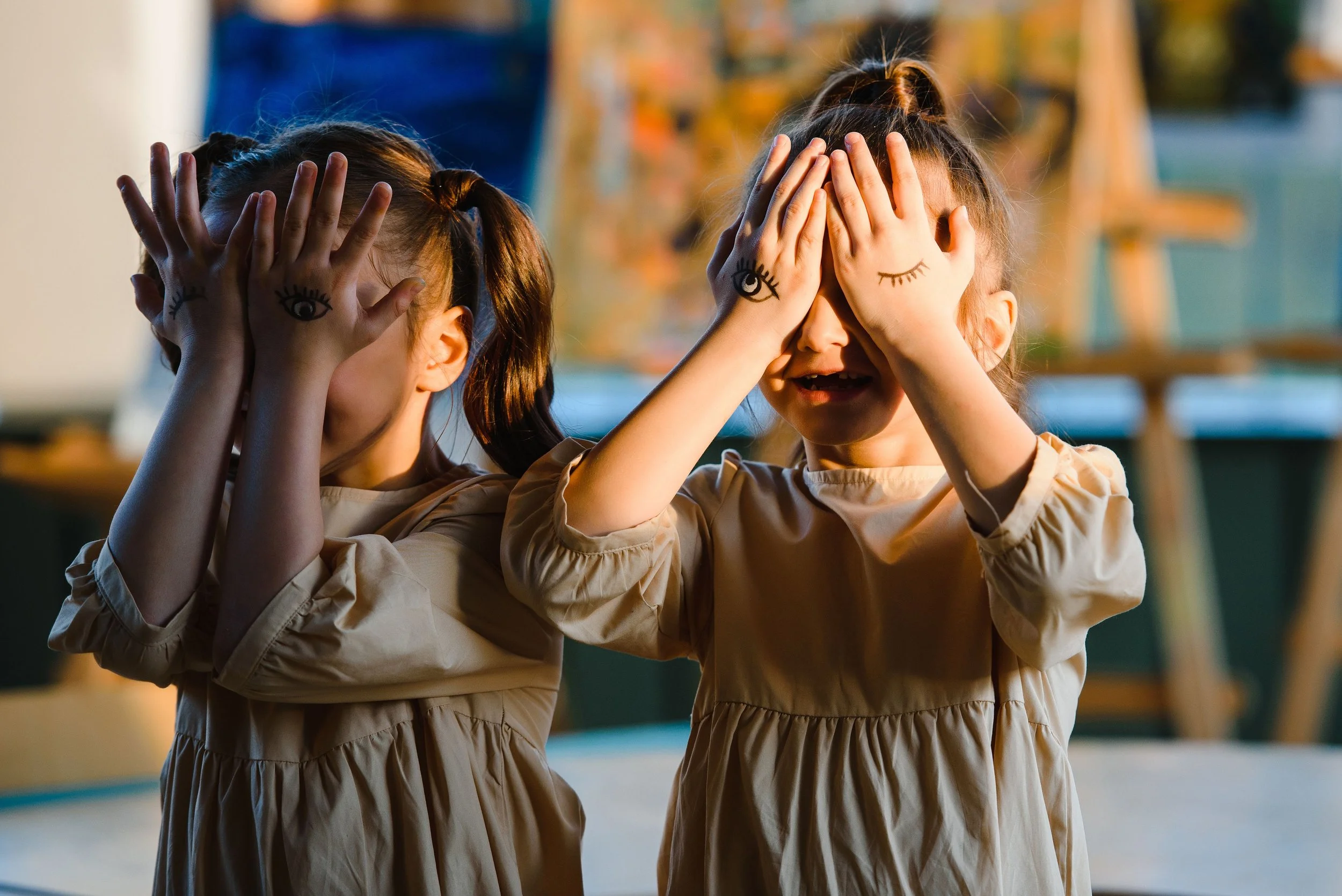
Classes in Silliness & Comedy
A playful drama project where mistakes become material and imagination takes centre stage
Children are often encouraged to behave correctly, perform successfully and present polished versions of themselves. Classes in Silliness & Comedy offers something refreshingly different: a creative space where spontaneity, playfulness and getting things wrong are actively celebrated.
This drama-based workshop series introduces children to comedy through clowning, improvisation, physical play, storytelling and character creation. Through energetic games and low-pressure performance exercises, participants explore what makes something funny while developing the confidence to follow their instincts and share their ideas with others.
The sessions encourage children to embrace the unexpected, respond creatively in the moment and discover their own individual comic style.
As the project develops, participants create original comedy characters, improvised scenes or short sketches inspired by the techniques explored throughout the workshops.


7 to 15 years old

1 hour. 15 sessions
Flexible. Weekday + Weekend

Family homes (West London)
Silliness
-
Comedy
-
Improvisation
-
Confidence
-
Creativity
-
Collaboration
-
Silliness - Comedy - Improvisation - Confidence - Creativity - Collaboration -
Permission to be playful
Silliness is more than simply making people laugh. It gives children permission to experiment, take creative risks and express parts of themselves that may not always have space to emerge elsewhere.
In these workshops, mistakes are not treated as failures. They become unexpected ideas, comic moments and opportunities to keep creating. The sessions begin with accessible games that help children relax, respond to one another and become comfortable being playful within a group. From there, participants explore exaggerated movement, unusual characters, changing status, comic timing and spontaneous storytelling.
Rather than asking children to produce a perfect performance, the project encourages them to stay curious and discover what happens when they commit fully to an idea, even when that idea is deliberately ridiculous.
Through shared laughter and collaborative play, children can become more comfortable being seen, speaking in front of others and trusting their creative instincts.
Clowning, Characters & Comic Imagination
Classes in Silliness & Comedy introduces children to a range of drama and comedy techniques through practical exploration.
Clowning activities invite participants to communicate through movement, reaction and physical expression. Character exercises encourage them to experiment with exaggerated personalities, voices and behaviours, while status games explore how characters can appear powerful, nervous, confident or completely out of their depth.
Improvisation challenges help children think quickly and respond to ideas offered by others. Comic timing exercises explore pauses, repetition, surprise and contrast, showing children how small choices can transform an ordinary action into something funny.
Collaborative storytelling allows the group to build strange and unexpected narratives together, with each child contributing ideas and helping the story move forward.
As their confidence grows, participants begin combining these skills to develop their own comic characters, improvised scenes and short comedy sketches.
7 to 15 years old
1 hour. 15 sessions
Flexible. Weekday + Weekend
Small-group comedy and improvisation
Approximately 4-10 participants
Age Group:
Duration:
Sessions:
Format:
Group size:
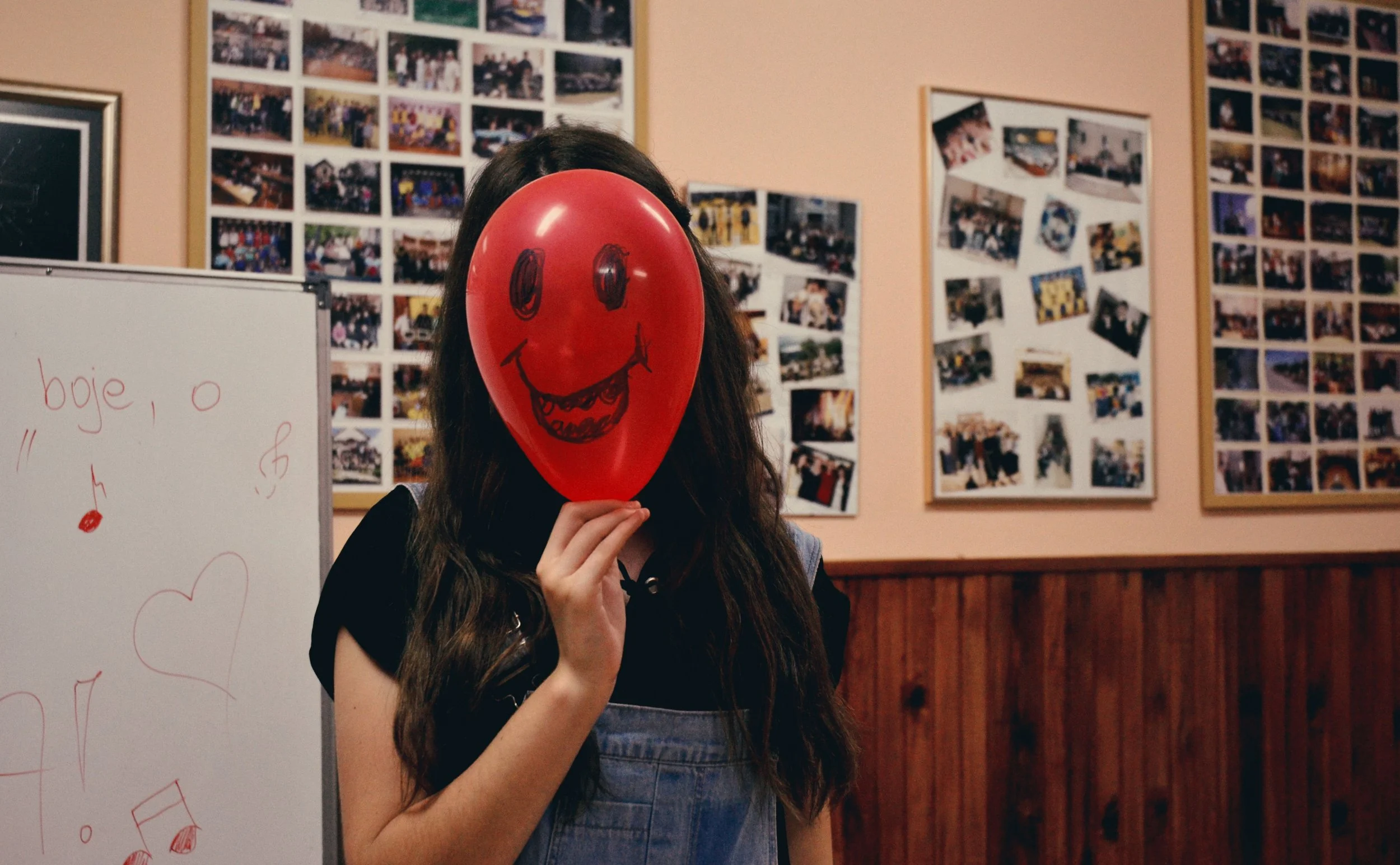
WHAT CHILDREN WILL EXPLORE & LEARN
Classes in Silliness & Comedy uses humour and imaginative play to develop creativity, communication and social confidence.
The project creates a supportive environment where children can experiment freely without feeling that every idea needs to be sensible, polished or correct.
Participants explore physical comedy, improvisation, character work and collaborative storytelling while learning to listen, respond and build creatively on the contributions of others.
-
Communicating through movement, gesture and expression
Exploring exaggerated physical choices.
Discovering humour through repetition, surprise and reaction.
Learning how commitment can make a simple action funny.
-
Responding creatively without preparing every detail in advance.
Accepting and developing ideas offered by other participants.
Becoming more comfortable with uncertainty.
Turning mistakes and unexpected moments into creative opportunities.
-
Inventing exaggerated personalities and behaviours.
Experimenting with voices, movement and character mannerisms.
Exploring contrasting character types.
Developing original characters through playful performance.
-
Exploring how characters communicate confidence, authority or uncertainty.
Using body language to create different status levels.
Discovering comedy through changing relationships and power dynamics.
Learning how contrasting characters can create humorous situations.
-
Exploring pauses, repetition, rhythm and surprise.
Building collaborative stories one contribution at a time.
Creating clear beginnings, developments and comic conclusions.
Understanding how timing affects an audience’s response.
-
Performing ideas in front of a supportive group.
Listening and responding to other children.
Sharing creative responsibility within scenes and games.
Developing confidence through laughter and collective play.
PROJECT ESSENTIALS
Materials
- An open space suitable for movement and performance.
- Simple costume pieces or accessories.
- Everyday objects that can be used as comedy props.
- Paper and drawing materials for developing characters or sketches.
Safety & Accessibility
- No previous drama or comedy experience required.
- Activities develop gradually from simple games to short performances.
- Children are encouraged to participate without pressure to be funny on demand.
- Exercises can be adapted to different confidence, mobility and communication levels.
- The emphasis remains on exploration rather than competition.
- Clear group expectations support respectful and positive participation.
- Physical activities are structured to suit the available space and participants.
Learning Outcomes & Benefits
Participants develop:
- Greater confidence performing and speaking in front of others.
- Stronger improvisation and spontaneous-thinking skills.
- Increased willingness to experiment and take creative risks.
- Greater comfort making and recovering from mistakes.
- Improved communication and active listening.
- More confident physical and imaginative self-expression.
- Stronger collaboration and group awareness.
- Experience creating original characters, scenes and comedy ideas.
- An understanding of humour as a creative and emotional outlet.
Pricing
£130 per child for the course.
WHY PARENTS LOVE IT
Gives children permission to be imaginative, playful and imperfect.
Builds confidence through laughter rather than pressure.
Encourages creative risk-taking in a supportive environment.
Helps children become more comfortable with mistakes and uncertainty.
Celebrates humour as a valuable form of creativity and self-expression.
Develops improvisation, communication and performance skills.
Get started today
About the Project Leader
Lucy h.
Theatre-maker, performer and creative facilitator with a background in acting, community theatre and musical theatre working with children
Lucy studied Acting and Community Theatre at East 15 Acting School, where she studied Clowning and Commedia De’ll Arte. Her work combines comedy performance and drama teaching, with a strong interest in helping young people build confidence through expressive, playful and collaborative activities.
Lucy has almost 10 years of experience writing and performing Comedy. She also gas experience leading activities for children across a range of ages.
Lucy has run theatre courses with the International British Theatre School and assisted teaching at Harrodian School where she worked with children aged 8-13, supporting group supervision, sporting activities and one-to-one learning. She has also worked as a Musical Director and Assistant Director with Barnes Musical Theatre, co-leading classes for children aged 4-12, teaching singing and helping children learn well-known musical theatre songs.